


Cleanroom & Laboratory Epoxy Flooring Solutions
Operating a cleanroom, compounding pharmacy, or scientific laboratory on an ordinary commercial floor isn’t just a maintenance headache, it is a major compliance risk. Substrates that shed microscopic dust, hold static electricity, or peel under daily chemical wipe-downs jeopardize your equipment, contamination controls, and regulatory audits.
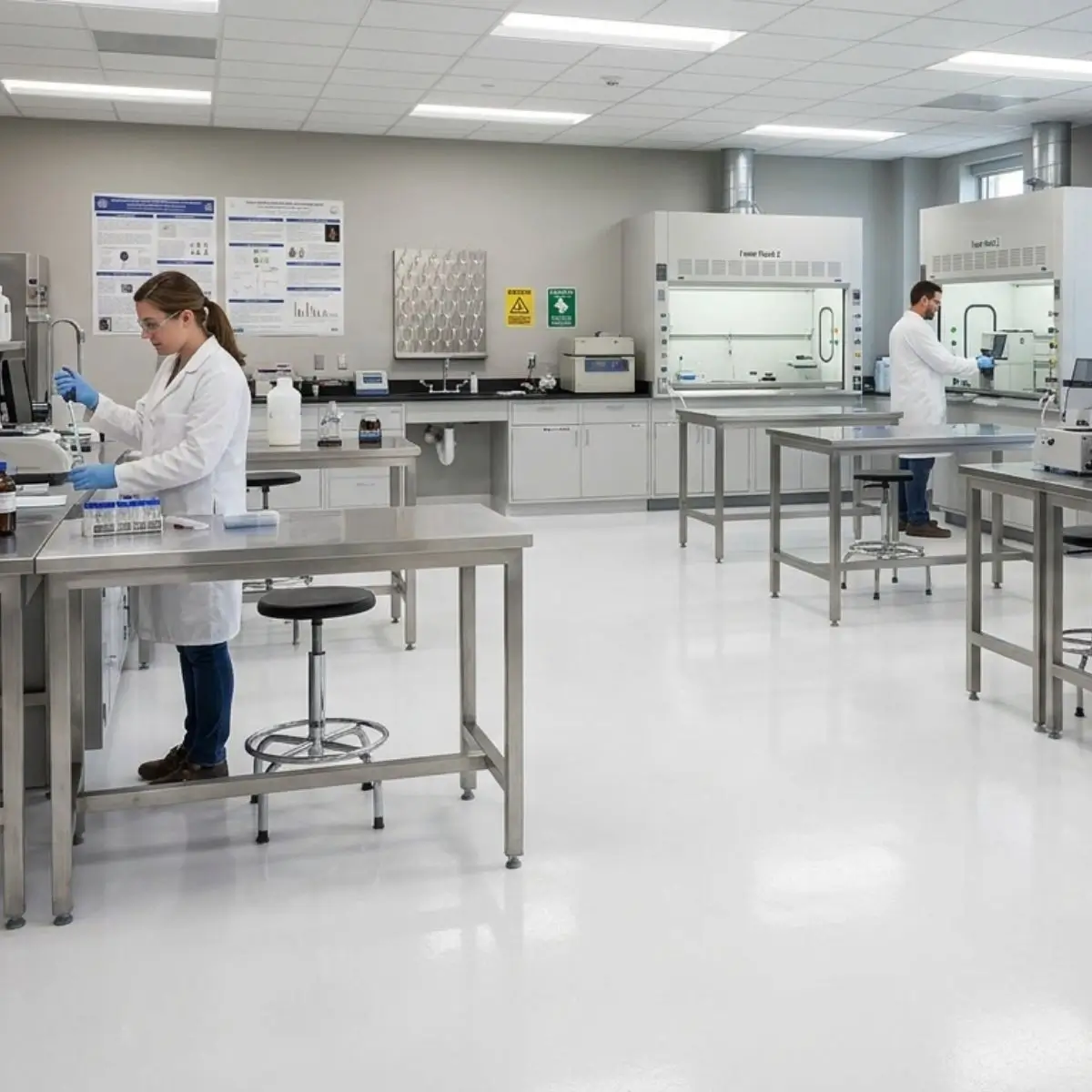
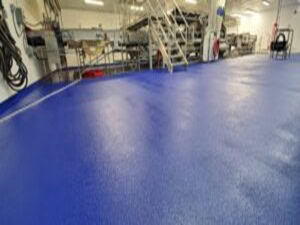
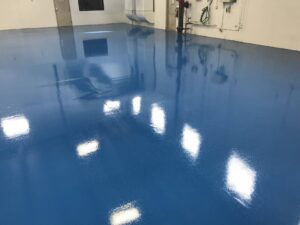
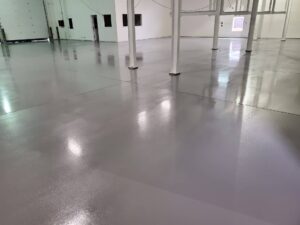
At Columbus Epoxy Flooring, we specify and install heavy-duty, seamless epoxy and urethane flooring systems tailored specifically for laboratories, medical research facilities, and high-tech manufacturing across Central Ohio. Our lab epoxy flooring installations are engineered to keep your space clean, compliant, and protected against harsh chemicals and daily wear.,
Why Standard Commercial Flooring Fails in Labs and Cleanrooms
Generic commercial flooring, vinyl tile (VCT), and basic concrete sealers might look fine at first, but they fail quickly under laboratory conditions. Cleanrooms don’t judge flooring by appearance. They judge it by what it does not do. It must not shed particles, trap germs, or react with strong chemicals.
Here is why standard floors fail in controlled spaces:
- Dust and Particle Shedding: Ordinary floor paints and tile grout disintegrate when carts, equipment, and foot traffic pass over them. This creates microscopic dust that floats into the air, elevating particle counts and risking failure in ISO Class 5 through ISO Class 8 rooms.
- Uncontrolled Static Electricity: Standard epoxy acts as an electrical insulator. Static electricity builds up on technicians and equipment, discharging suddenly into sensitive electronics or flammable vapors.
- Chemical Breakdown: Daily cleaning with isopropyl alcohol, hydrogen peroxide, or strong solvents causes cheap floor coatings to soften, stain, and peel away, leaving the bare concrete vulnerable to deep contamination.
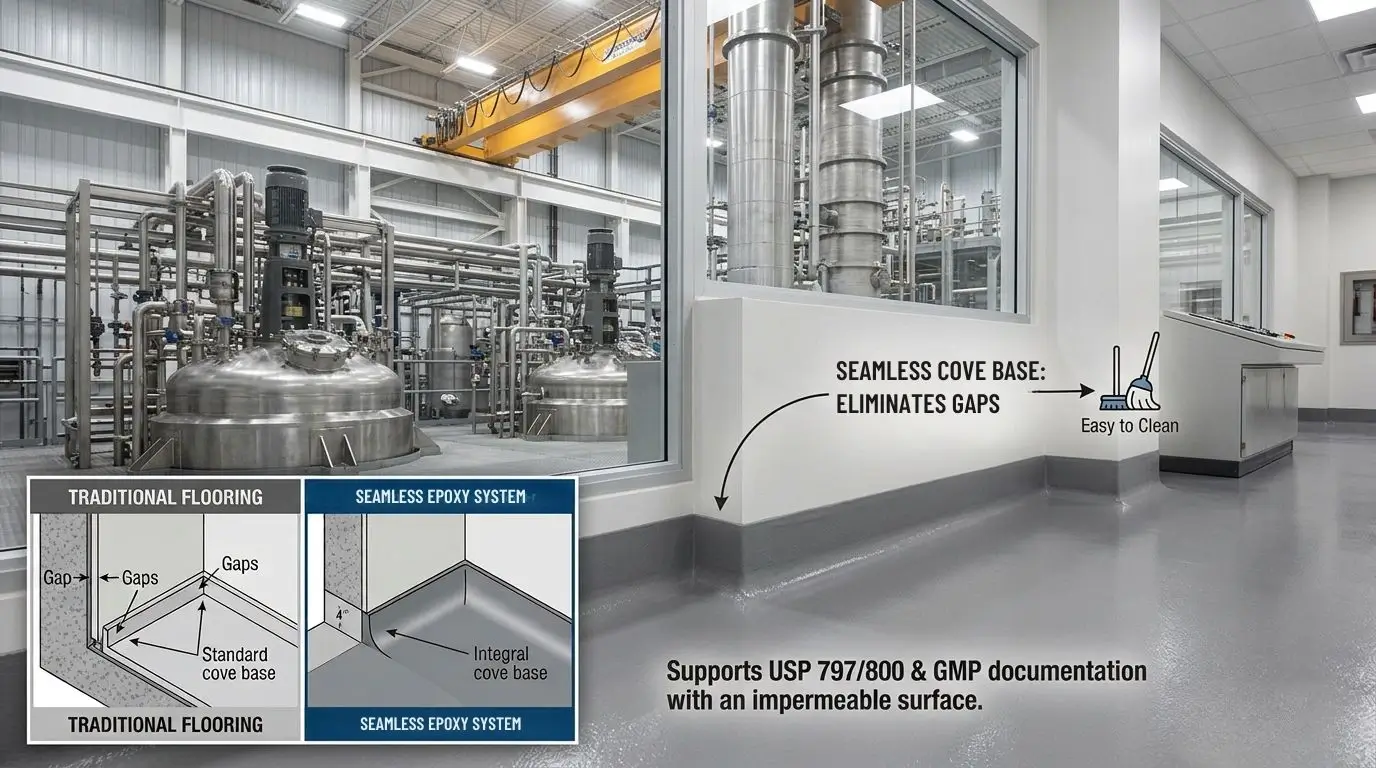
- Dirt and Bacterial Traps: Tile seams, grout lines, and sharp 90-degree corners where the floor meets the wall collect dirt, moisture, and bacteria. These unsealed gaps create documented audit failures under Good Manufacturing Practice (GMP), USP 797, and USP 800 standards.
- Thermal Shock: Hot water wash-downs and deep sanitization cause cheap coatings to crack and lose their bond with the concrete substrate, leading to bubbling and peeling.
Tailored Resinous Systems for Labs and Cleanrooms
1. Seamless Epoxy & Urethane Mortar Systems
Designed for ISO-classified cleanrooms, healthcare centers, and USP 797/800 pharmacy compounding spaces.
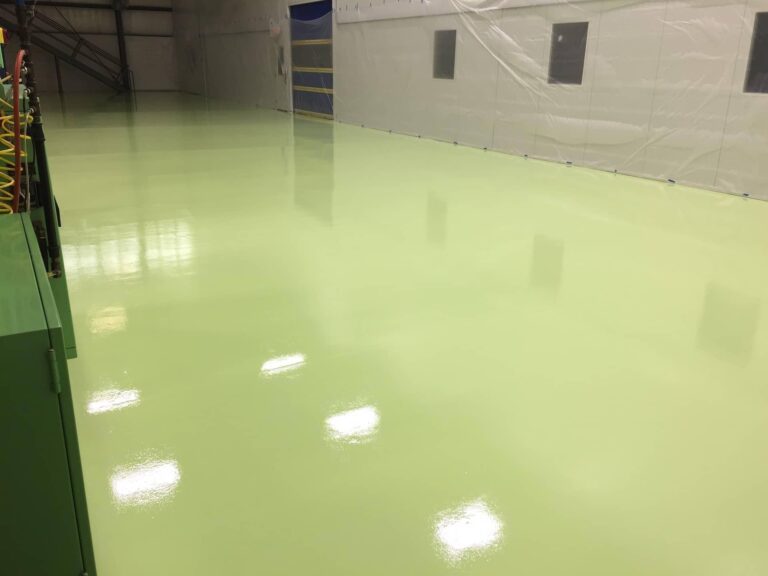
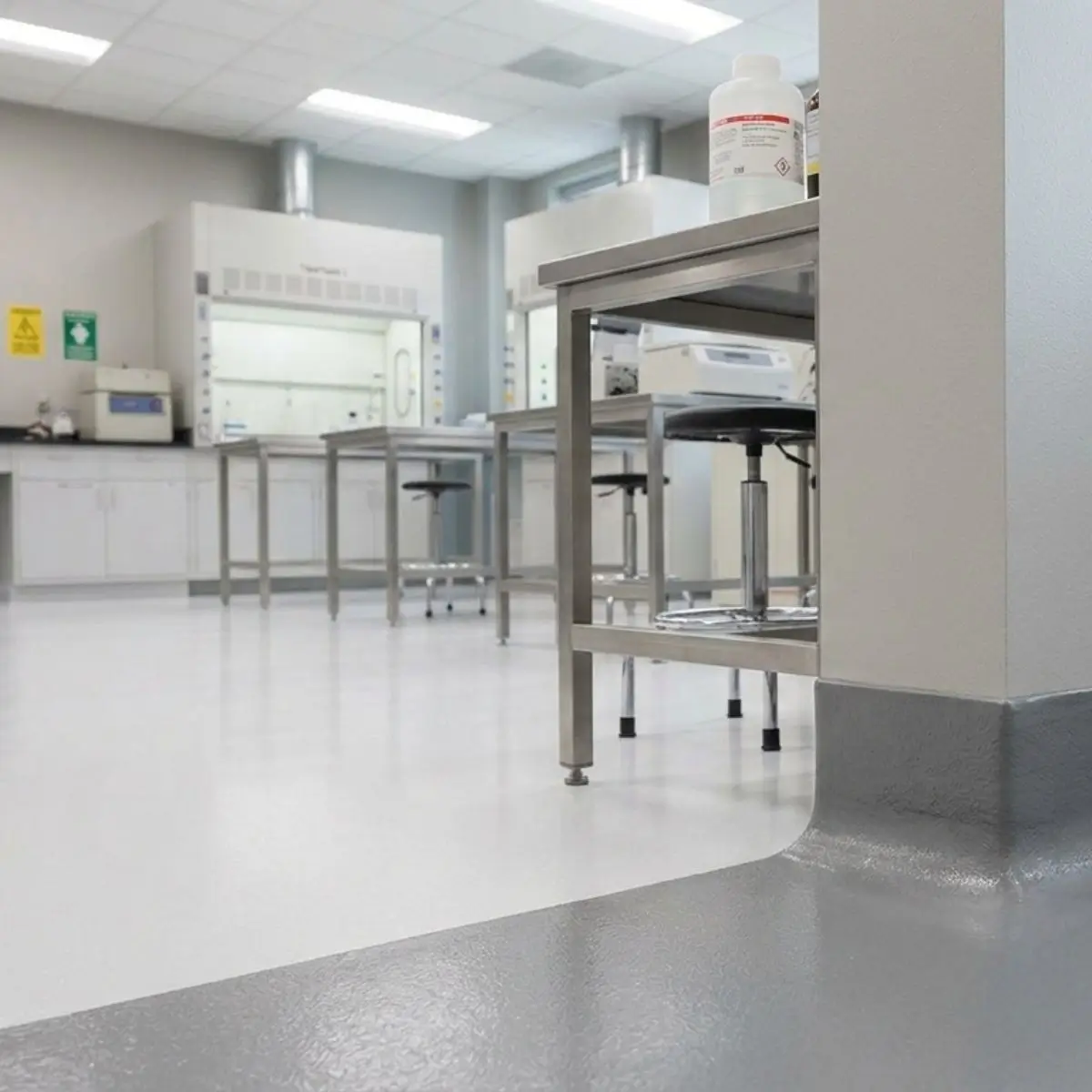
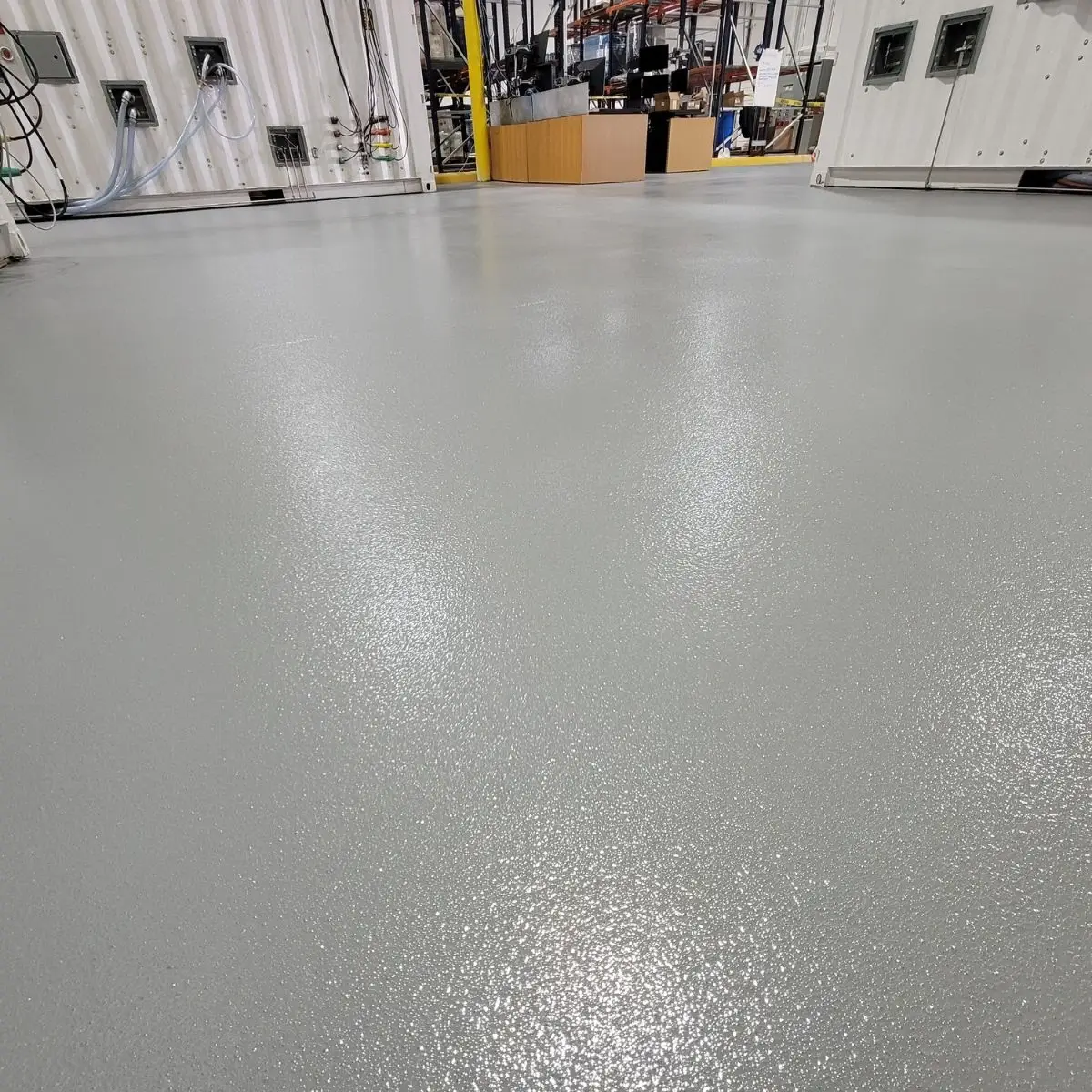
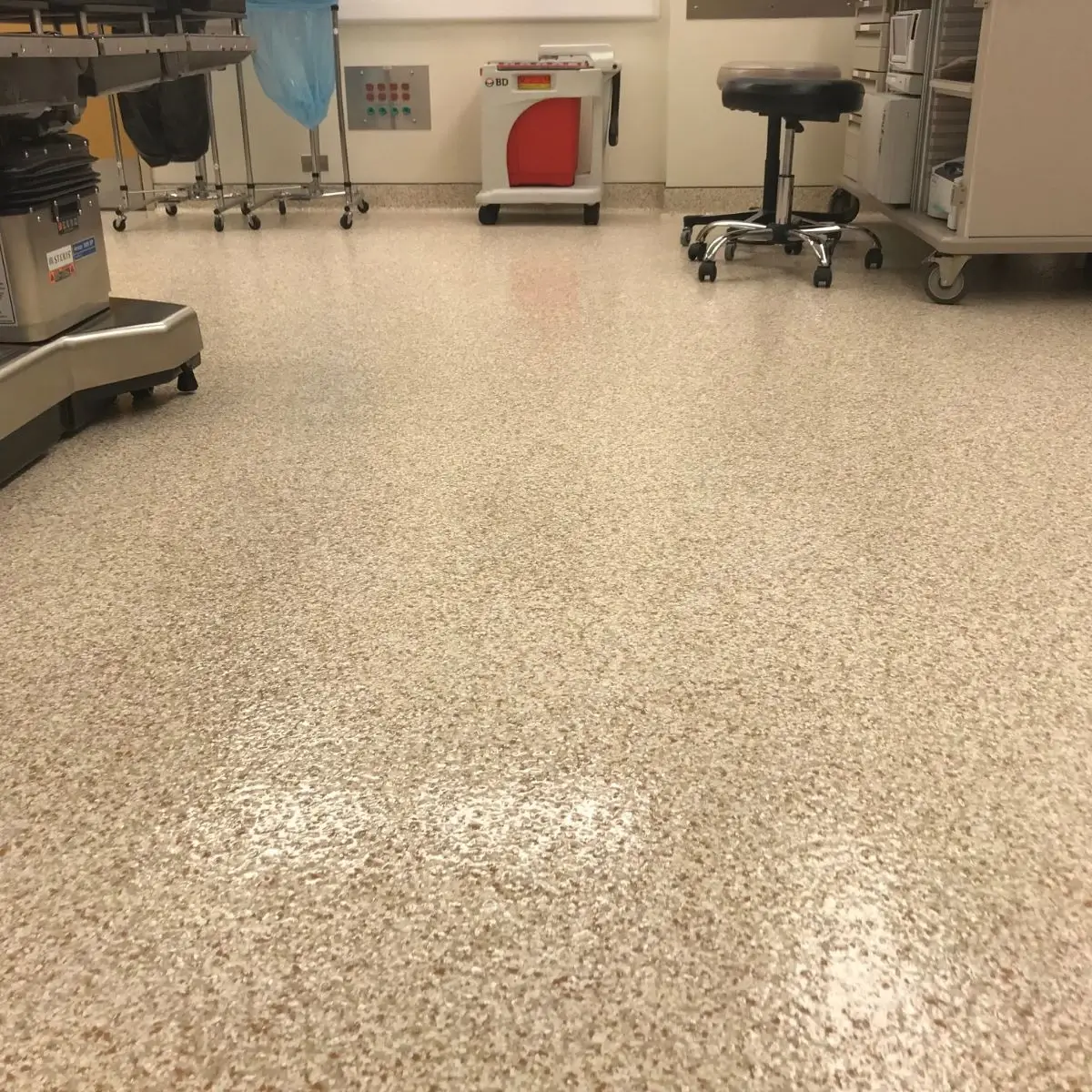
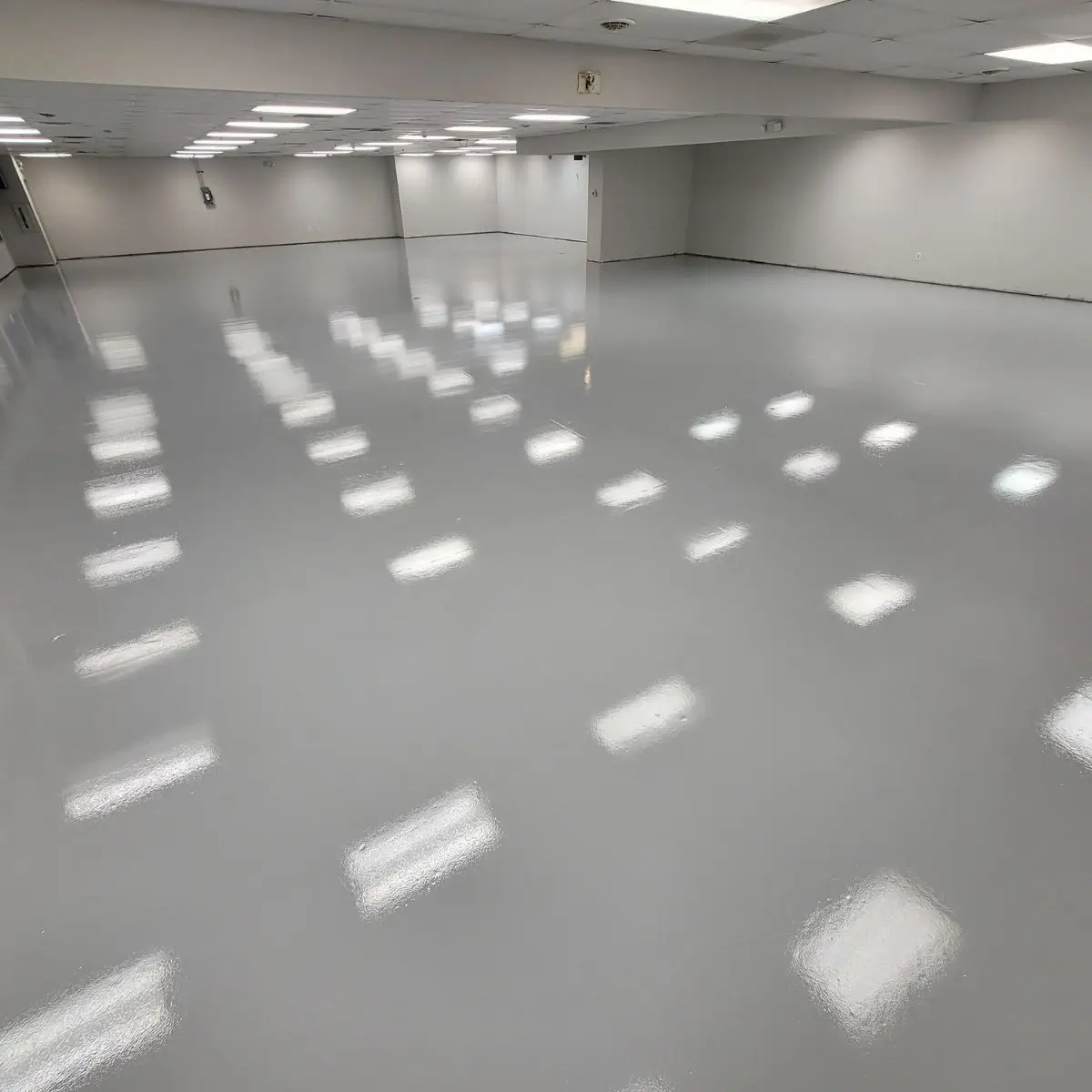
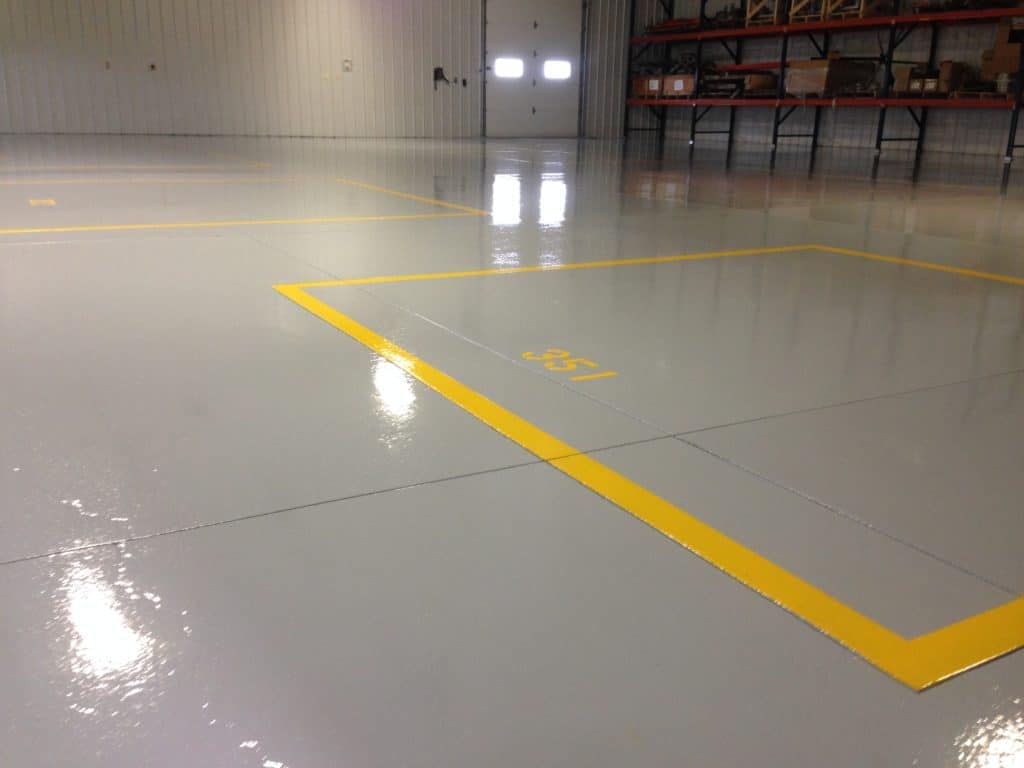
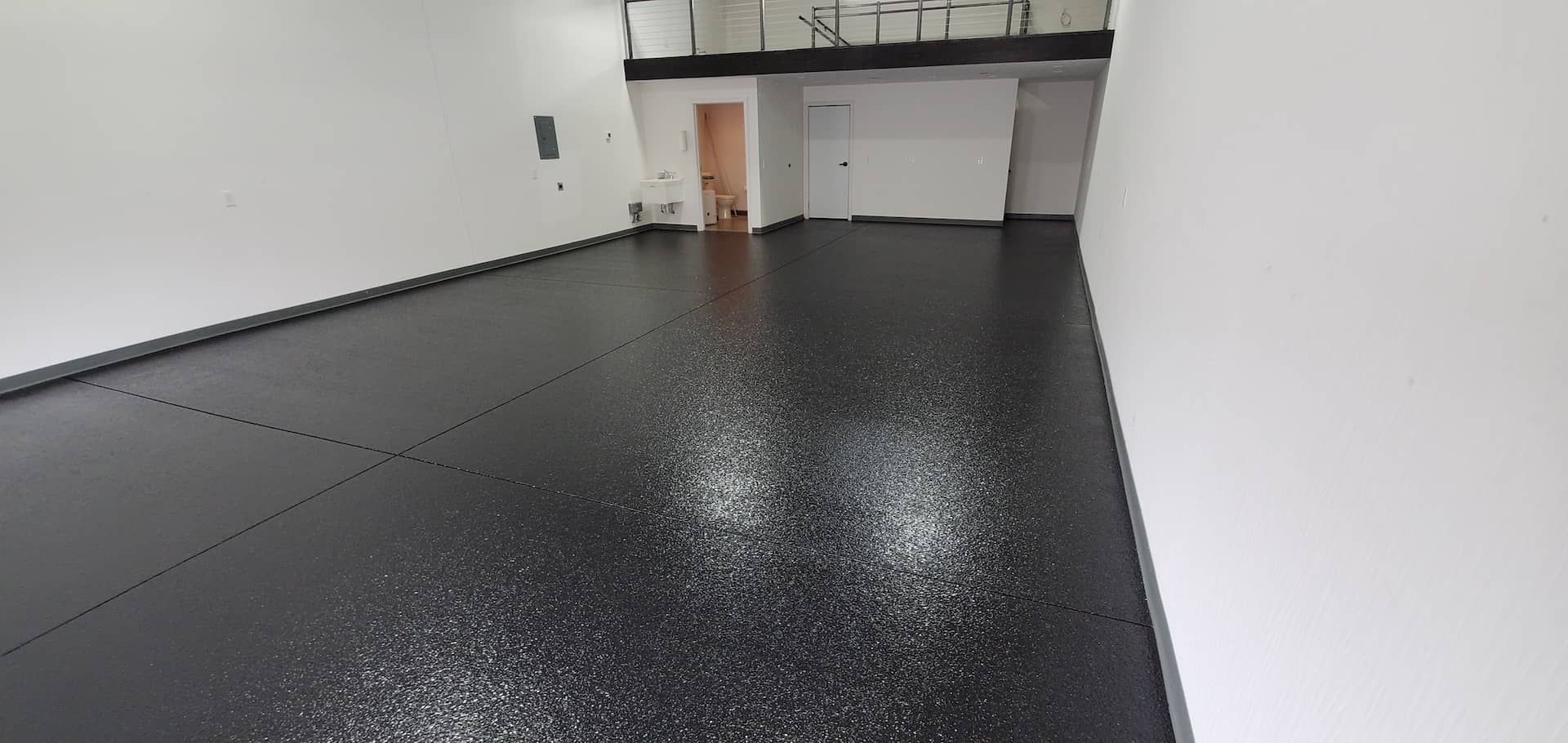
- Smooth, Low-Dust Finish: Dense resin creates a non-porous surface that prevents particle accumulation and supports heavy rolling carts with ease.
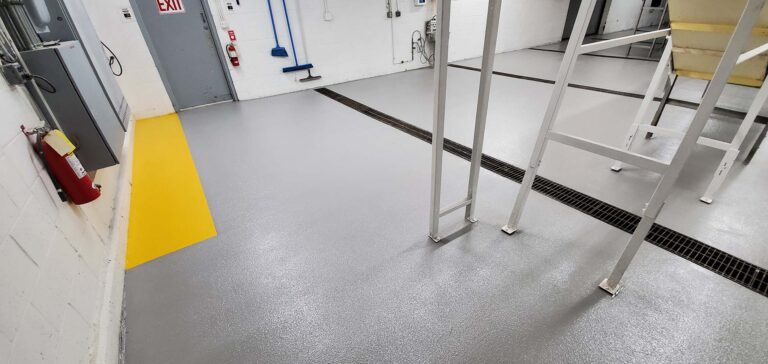
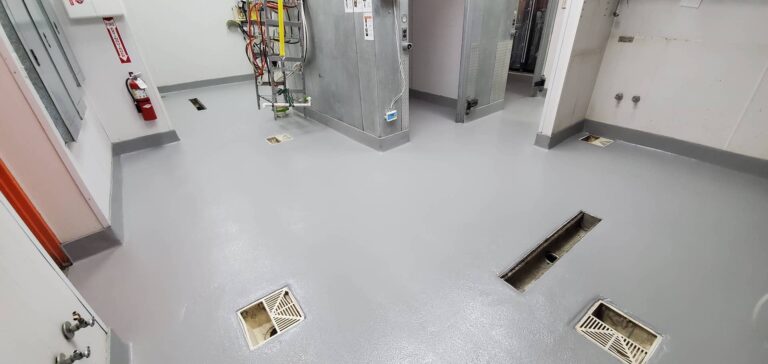
- Curved Wall Coving: We install continuous cove bases that transition smoothly from the floor 4 to 6 inches up the wall. Eliminating sharp 90-degree corners removes hidden areas where bacteria and grime can collect.
- Sanitization Ready: The non-reactive surface withstands frequent scrubbing with harsh disinfectants without clouding or wearing down.
2. Static-Control (ESD) Epoxy Systems
Designed for electronics assembly, static-sensitive testing areas, and chemical handling rooms.
- Safe Static Dissipation: Embedded conductive fibers safely redirect static electricity from personnel through grounding strips into your building’s electrical grounding system.
- Controlled Resistance: Formulated to maintain precise electrical resistance ranges for static-dissipative flooring.
- Permanent Protection: Anti-static properties are built into the resin matrix, providing consistent performance for the life of the floor.
3. Chemical-Resistant Novolac Epoxies
Built for wet labs, testing stations, and chemical storage areas exposed to aggressive reagents.
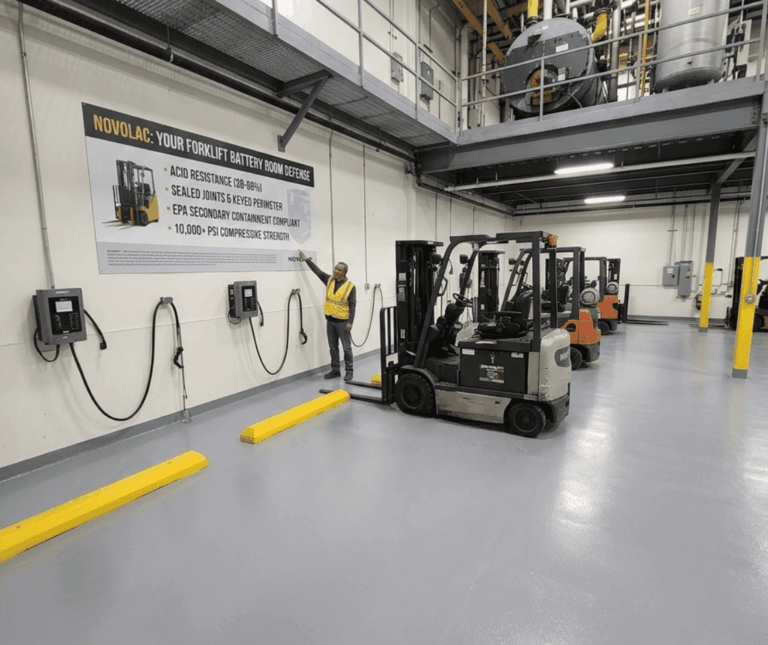
- Maximum Chemical Protection: High-strength Novolac resins withstand direct contact with strong acids, solvents, and concentrated cleaning agents without blistering or softening.
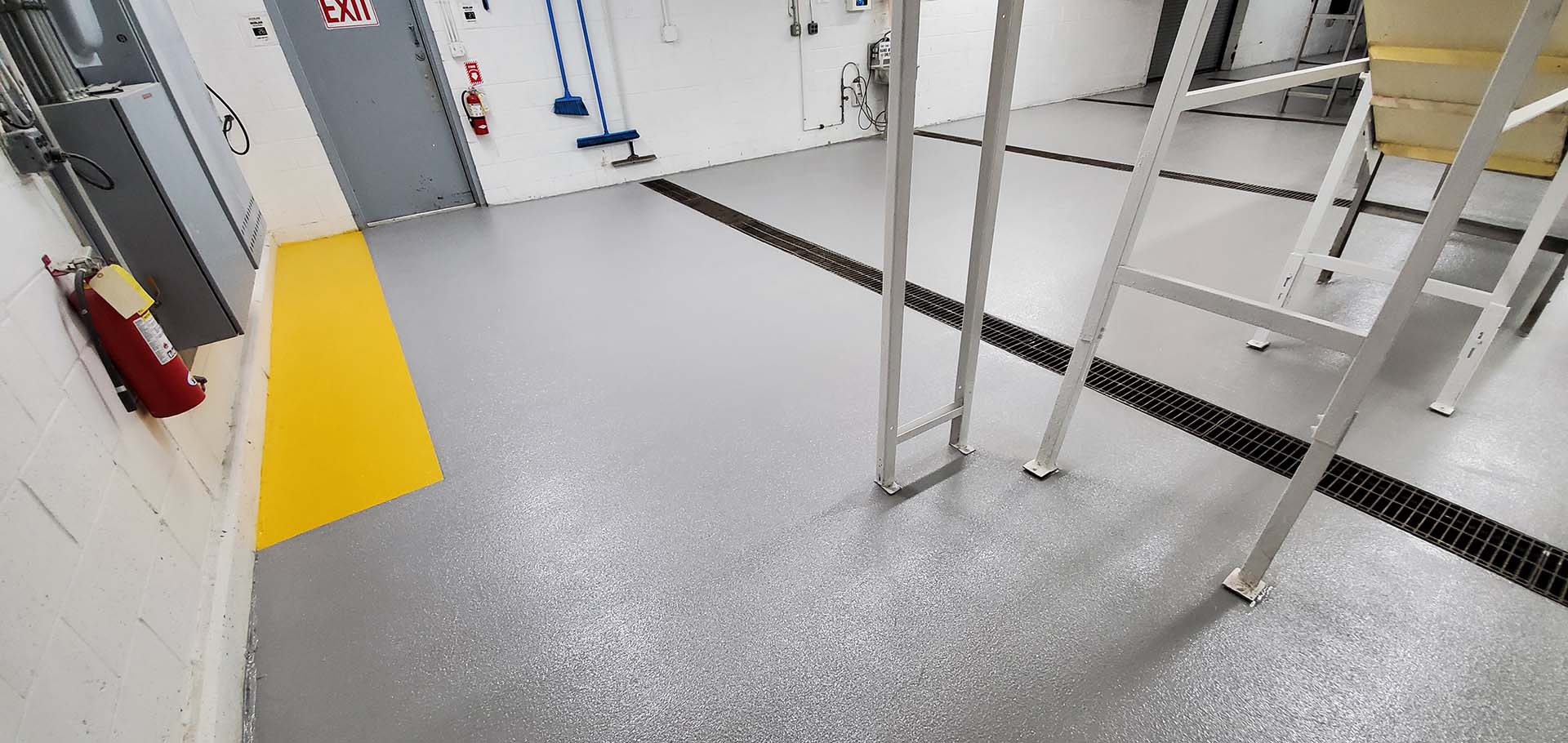
- Heavy-Duty Performance: Resists physical wear, heavy equipment placement, and high daily foot traffic while keeping the concrete completely sealed.
Quick System Comparison Guide
| System Type | Best Application | Compliance Standard | Key Benefit | Chemical Resistance |
|---|---|---|---|---|
| Seamless Self-Leveling Epoxy | ISO Cleanrooms, Sterile Labs | ISO 5–8, USP 797/800 | Smooth, low-dust, and easy to sanitize | High (Disinfectants & Alcohols) |
| Heavy-Duty Urethane Mortar | Wet Labs, Wash-Down Zones | GMP, USP 797/800 | Thermal shock and impact resistant | High (Hot Water & Sporicidals) |
| Static-Control (ESD) Epoxy | Tech Labs, API Compounding | ESD Standards, ISO 5–8 | Safely grounds static charge | Moderate to High |
| Novolac Chemical Barrier | Reagent Storage, Acid Labs | OSHA & EPA Containment | Ultimate protection against chemical immersion | Superior (Concentrated Acids & Solvents) |
- Mechanical Preparation: We use planetary diamond grinders or shot-blasters to remove “laitance” (the weak top layer of concrete) and achieve a Concrete Surface Profile (CSP) of 3 or 4. This ensures a strong mechanical bond.
- Moisture Testing: Ohio slabs often have high Moisture Vapor Emission Rates (MVER). We test every slab. If moisture levels are elevated, we apply a moisture-mitigating primer to stop future blistering.
- Joint and Crack Repair: We don’t just “paint over” cracks. We chase them out, fill them with structural epoxy, and treat expansion joints with flexible polyurea to keep the floor seamless while accommodating building movement.
- Phased Implementation: We know the station can’t simply shut down. We often work in phases, completing one bay at a time. This allows us to shift apparatus and keep the station running. Most systems can handle foot traffic in 24 hours and heavy vehicle traffic in 48 to 72 hours.

Surface Preparation & Fast-Cure Installation
A specialized floor coating is only as good as the surface beneath it. Applying epoxy over smooth or damp concrete often leads to premature coating failure.
Our installation process follows strict preparation standards:
- Mechanical Concrete Profiling: We use industrial diamond grinders or dust-controlled shot blasters equipped with HEPA filtration to create a textured surface (Concrete Surface Profile CSP 3 to CSP 5). This allows the primer to achieve a permanent bond with the concrete.
- Moisture Vapor Testing: Moisture trapped inside concrete can cause bubbling and coating failure. We test concrete moisture levels and apply specialized moisture barrier primers when needed.
- Seamless Joint Repairs: Cracks, control joints, and damaged concrete are repaired with high-strength epoxy materials before the final coating system is applied.
- Phased Installation Options: We understand that research and production cannot stop for long. Our team offers room-by-room or shift-by-shift installation schedules, using rapid-cure systems that allow light foot traffic in as little as 12 to 24 hours after installation.
Why Central Ohio Facilities Choose Columbus Epoxy Flooring
Installing cleanroom flooring requires specialized experience and the right equipment. Columbus Epoxy Flooring serves biotech companies, pharmaceutical labs, medical centers, and research facilities throughout Central Ohio.
Our local service areas include:
- Franklin County: Columbus, Dublin, Hilliard, Westerville, and Worthington
- Delaware County: New Albany, Powell, and Delaware
- Licking & Fairfield Counties: Newark, Pataskala, Pickerington, and Lancaster
Every project proposal includes complete technical data sheets, chemical compatibility charts, and written performance warranties.
Request Your Facility Evaluation
To evaluate your cleanroom, compounding room, or laboratory flooring requirements, contact Columbus Epoxy Flooring today at 614-348-3184 or request a technical site walk with one of our specialists.
Frequently Asked Questions
What ISO cleanroom standards do your floors support?
Our seamless epoxy systems support ISO Class 5 through ISO Class 8 cleanroom classifications.
Can your flooring help us pass USP 797 and USP 800 audits?
Yes. By eliminating grout lines and adding curved floor-to-wall coving, we create an impermeable, easy-to-clean environment that supports USP 797 and USP 800 requirements for compounding pharmacies.
Do you offer static-control (ESD) options?
Yes. We install conductive and static-dissipative epoxy systems connected directly to your building’s electrical grounding system to safely dissipate static electricity.
How long does installation take, and can our lab remain open?
Installation timelines depend on the room size and surface preparation requirements, but most projects take 3 to 4 days. We can complete the work in phases to keep adjacent rooms operational, and fast-cure systems allow light foot traffic within 12 to 24 hours after installation.
Will daily disinfectant cleaning damage or yellow the floor finish?
No. We use high-performance topcoats that resist yellowing and withstand daily cleaning with isopropyl alcohol, hydrogen peroxide, and sporicidal disinfectants.